Hi {{FirstName or "friend"}},
It’s spooky time, but you don’t need to be afraid that you won’t have fun activities for the learners in your life. In this newsletter, we have pumpkins, monsters, and bats. Oh my! Speaking of bats, tune in to the show this Friday (or download it wherever you get your podcasts) for a fascinating story about bats' evolutionary ancestry. And, once again, SciFri is looking for the very best nerdy Halloween costumes, so be sure to enter to win!
But October is much more than Halloween. For example, earlier this month SciFri hosted our annual Cephalopod Week. If you missed our livestream with Dr. Barord from Save the Nautilus, don’t worry; the recording is now available. Plus, the team visited Hudson River Park's Wetlab to learn about native fish and invertebrates living in the Big Apple. Scroll on to read the story and grab free resources.
I’m also excited to share two brand new activities this month. Discover how yawning may affect our brains with the latest Think Big. Plus, in the first News You Can Use, I feature Jennifer Doudna, who helped develop CRISPR gene editing. The podcast, handout, and questions will inspire any student.
Lastly, the Science Friday Book Club will be reading “The Comfort of Crows” in November and December. I want to invite you to spark your creativity and reflect on nature with our community of curious readers. I hope to see you at one of our events. |
| |
|
| Education Program Manager
Join me on LinkedIn |
|
|
|
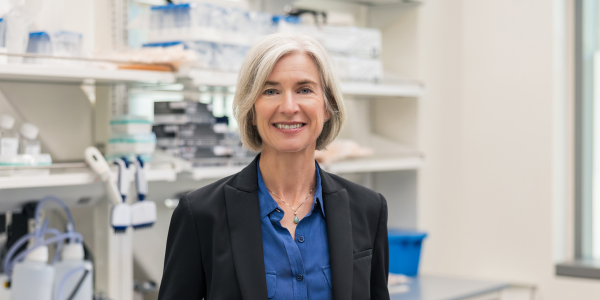
Jennifer Doudna and what it takes to be a good scientist |
In 2020, Jennifer Doudna shared the Nobel Prize in Chemistry for developing the gene-editing technique CRISPR. Doudna talks with Ira Flatow about the path that led to that breakthrough, her own route into research, and what she thinks it takes to succeed in science. 🎧 Listen to the story with your learners. Plus, we’ve created a handout, discussion prompts, and a trivia question based on the interview. You can get them all for free in the Science Friday Learning Lab, our online education community. What story do you think we should feature next? |
|
|
|
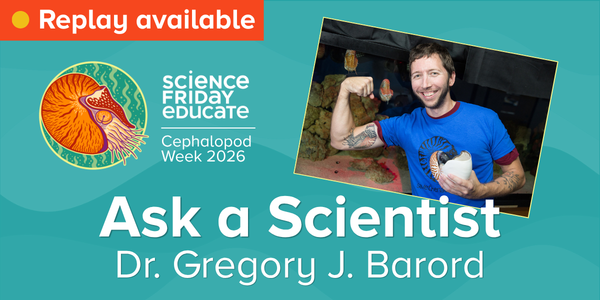
Ask a Scientist with Greg Barord |
On October 8, we hosted Dr. Gregory Barord from Save the Nautilus for a special Cephalopod Week livestream. The chambered nautilus may not be as famous as its octopus and squid relatives, but it’s just as remarkable! The recording is now available on YouTube. Plus, the event webpage has a free Educator’s Guide and fun trivia to test what you learned! All ages, 1 to 2 hours, Life Science.
|
|
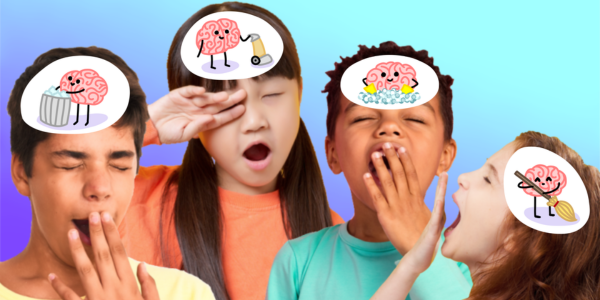
| Why do we yawn? Discover your brain’s rinse cycle! |
Investigate how a big yawn may help flush waste from your brain, and explore ways your body’s systems work together to keep you healthy with the newest Think Big activity. Then discover why sleep is so important for boosting your memory and learning with a Hack Your Brain activity. Grades 6-8, 15 minutes to 1 hour, Life Science. Includes video and handout. |
|
|
|
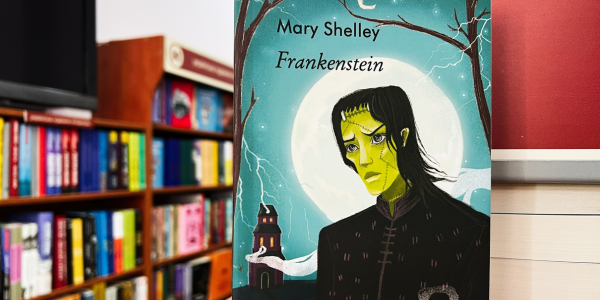
Ethics, STEM, and the modern Dr. Frankenstein |
A lot has changed since the publication of "Frankenstein" but the novel is still a valuable way to explore ethics. You may also enjoy the science behind the movie. All ages, time varies based on activity, English Language Arts, Life Science. Includes worksheet. |
|
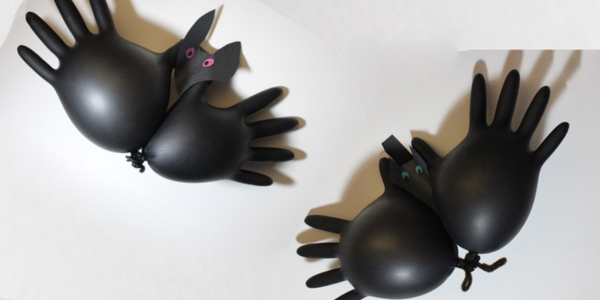
| Play the smelly bats game and learn about diffusion |
Make your own smelly bats with rubber gloves and flavor extracts to investigate diffusion and the properties of stretchy polymers. Want more batty science? Check out our spotlight page! Grades 3-5, 15 minutes to 1 hour, Chemistry and Physical Science. |
|
|
|
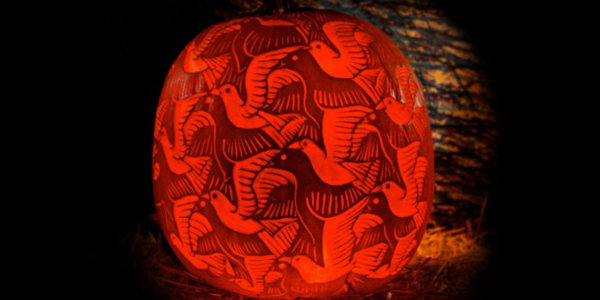
Carve first, scoop later--that's just one of the tips from Maniac Pumpkin Carvers Marc and Chris. Based in Brooklyn, these professional illustrators carve hundreds of pumpkins each fall. In this video they share tips for how to bring your pumpkins to the next level this Halloween. Then, learn everything you never knew about pumpkins. |
|
|
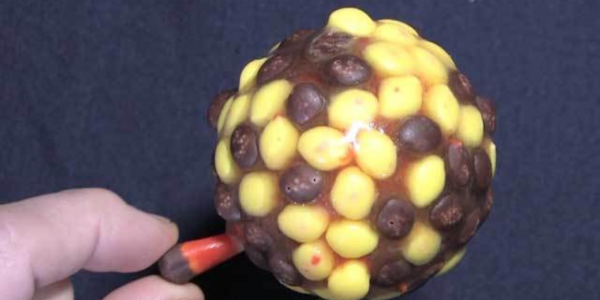
Astronauts can bring special “crew preference” items when they go to space. NASA astronaut Don Pettit chose candy corn for his stint aboard the International Space Station. But these candy corn were more than a snack. See how Pettit used them for experimentation in this video. Then discover more food science in space with Down to Earth. |
|
|
|
Discovering native species at the Wetlab |
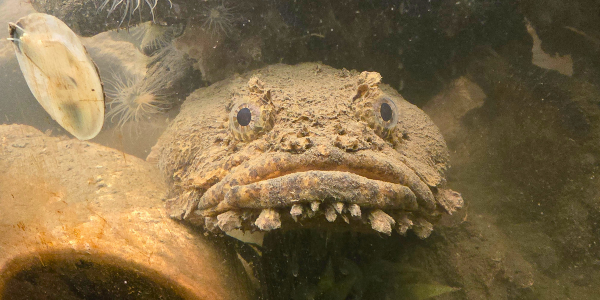
Recently, Science Friday visited the Hudson River Park's Wetlab in New York City. Serving as both a marine biology field station and learning laboratory, the Wetlab studies fish and invertebrate species to better understand wildlife in the Lower Hudson Estuary. Each year, more than 1,200 students visit the facility between May and October. They meet with researchers, explore the 3,500-gallon flow-through aquarium system, and learn about the black sea bass, oyster toadfish, horseshoe crabs, and lined seahorses temporarily housed in the tanks. (Yes! There are seahorses in the Hudson River!) Rachel Swanson, Director of Environmental Education at Hudson River Park, explained that the Wetlab connects people to the ecosystem and shows them research in action. “How do you get people to care about nature? How do you get people to care about our climate? First, you have to teach them about it,” she said.
The Hudson River Park hosts free programs for local students, provides STEM lessons and activities, and offers a Virtual Wetlab that’ll excite any aspiring marine biologist.
Do you have learners who want to do a deep dive into ocean ecosystems? You may enjoy these Science Friday activities: |
|
|
|
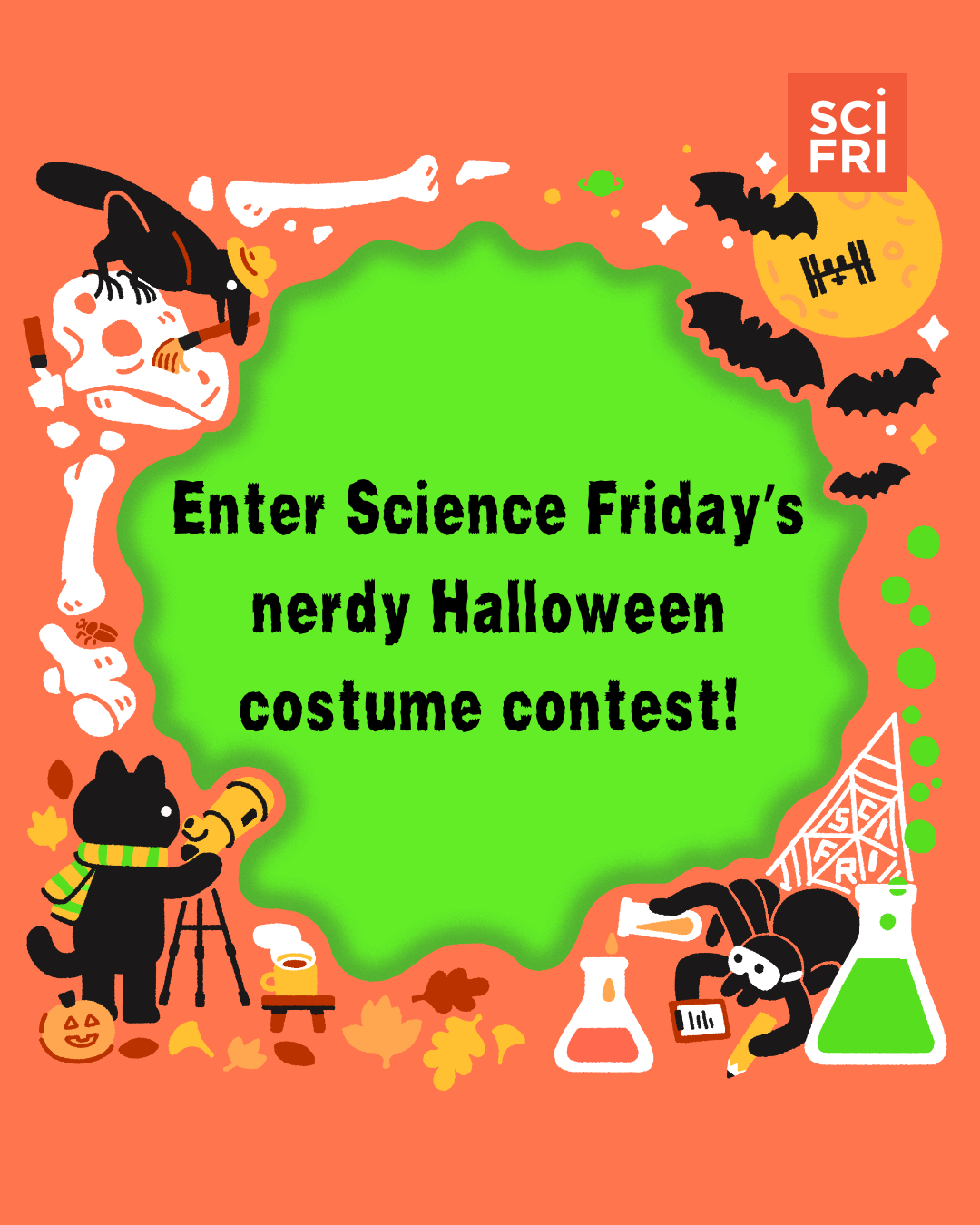
| Enter SciFri’s nerdy Halloween costume contest! |
Nightmare on Nerd Street returns in 2026! We want to see how you’re bringing science to your Halloween costume this year! Share your costume for a chance to win a SciFri merch gift bag filled with surprises—and possibly chat with Flora on the show! |
|
|
|
The Science Friday Initiative is a 501(c)(3) non-profit organization.
Please consider making a donation to support our work.
Copyright (C) 2026 Science Friday. All rights reserved. Science Friday
160 Varick St., 7th Floor
New York, NY 10013
United States |
|
|
|
|